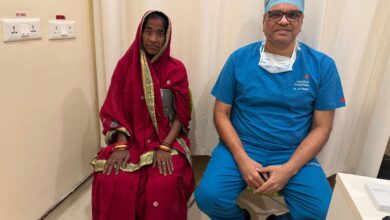

Bhubaneswar : Polycystic Ovary Syndrome (PCOS), often seen as an individual health issue marked by irregular periods, skin and hair changes, weight gain, and fertility challenges, is increasingly understood as a condition with strong genetic roots. Twin studies from Dutch and Iranian populations reveal that nearly 70% of PCOS risk is linked to inherited genetic factors. Dr Lipsa Mishra, Fertility Specialist at Birla Fertility & IVF, Bhubaneswar, explains that if PCOS is present in a mother, sister, or aunt, other women in the family may also be at risk. The disorder is polygenic—driven by multiple genes interacting with lifestyle and environmental factors—which disrupts ovulation, insulin regulation, and increases male hormone levels, leading to the hallmark symptoms of PCOS.
Recognizing this genetic link shifts the approach from reactive to preventive. Early medical attention for young women with irregular cycles and a family history of PCOS can reduce years of uncertainty. Proactive monitoring of metabolic health can also help prevent complications such as type 2 diabetes, cardiovascular disease, and infertility. While genes cannot be changed, their impact can be moderated through healthy eating, regular exercise, weight management, and stress reduction. Routine hormone and fertility testing further ensure early detection.
However, one of the biggest barriers remains silence within families. Many women are unaware that their mothers or grandmothers faced similar issues, often undiagnosed. Open conversations about PCOS—just as we discuss diabetes or hypertension—can empower younger generations to seek timely care. Viewing PCOS through a family lens highlights its intergenerational nature and underscores the importance of awareness, early intervention, and shared knowledge in managing the condition effectively.