
Tata Steel Deploys Next‑Gen Water Management Technologies to Strengthen Sustainable Mining in Sukinda
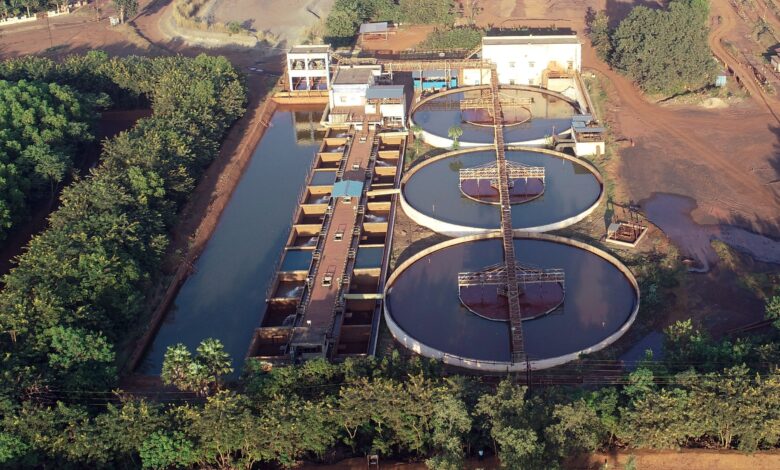
Sukinda, Odisha | February 25, 2026: Amid increasing global concerns over water scarcity and environmental degradation, Tata Steel has strengthened its commitment to responsible mining in the Sukinda region of Jajpur district by implementing a series of comprehensive measures to curb water pollution and safeguard community wellbeing. Through the integration of advanced treatment technologies, smart monitoring systems, and community-focused interventions, the company is redefining responsible water stewardship in one of India’s most
mining-intensive belts.
At the centre of these initiatives is the extensive water treatment infrastructure at the Sukinda Chromite Mine, which includes a high-capacity 4,500 KL/hr Effluent Treatment Plant (ETP). This facility treats industrial effluents and surface runoff, ensuring unwanted elements are removed before water is safely reused or discharged responsibly.
Extending its water management efforts, Tata Steel has commissioned a 1,200 KL/hr ETP at its Saruabil Chromite Mine, supplementing the existing 380 KL/hr unit. Both facilities ensure treated water meets Odisha State Pollution Control Board (OSPCB) norms and is reused for horticulture and dust suppression, reducing the ecological footprint of mining operations.
Speaking about the company’s commitment, Executive-In-charge of the company’s Ferro Alloys and Minerals Division (FAMD) said, “Water is a shared resource, and its protection is a shared responsibility. Our investments in advanced treatment systems and digital monitoring reflect Tata Steel’s dedication to conserving this precious resource and ensuring that our communities continue to thrive.”
To enhance accountability and environmental protection, the company has strengthened water quality monitoring. Sensor-based analyzers continuously track critical parameters and the data is routinely verified by a NABL (National Accreditation Board for Testing and Calibration Laboratories)-accredited third-party laboratory, reinforcing scientific transparency and community trust.
The company is also coming up with an onsite 50 cubic meter per hour Water Treatment Plant (WTP) at its Saruabil and Kamarda chromite mines where the treated water will be further purified and supplied for consumption.
Recognizing the traditionally high-water footprint associated with mining, Tata Steel has also deployed a Smart Water Management System across its facilities. Powered by IoT sensors, automation, and data analytics, the system monitors water flow and consumption in real time, ensuring timely interventions and minimizing wastage. In partnership with FluxGen Sustainable Technologies, the company has digitalized its entire water circuit, with data accessible through interactive dashboards on mobile and web applications.
Through its sustained efforts, the steel major reaffirms its role as a responsible custodian of natural resources—demonstrating how innovation, empathy, and community engagement can shape a more sustainable future for the people of Sukinda.